
fractional COO, Sydney
Fractional COO in Sydney,
with the tech side covered.
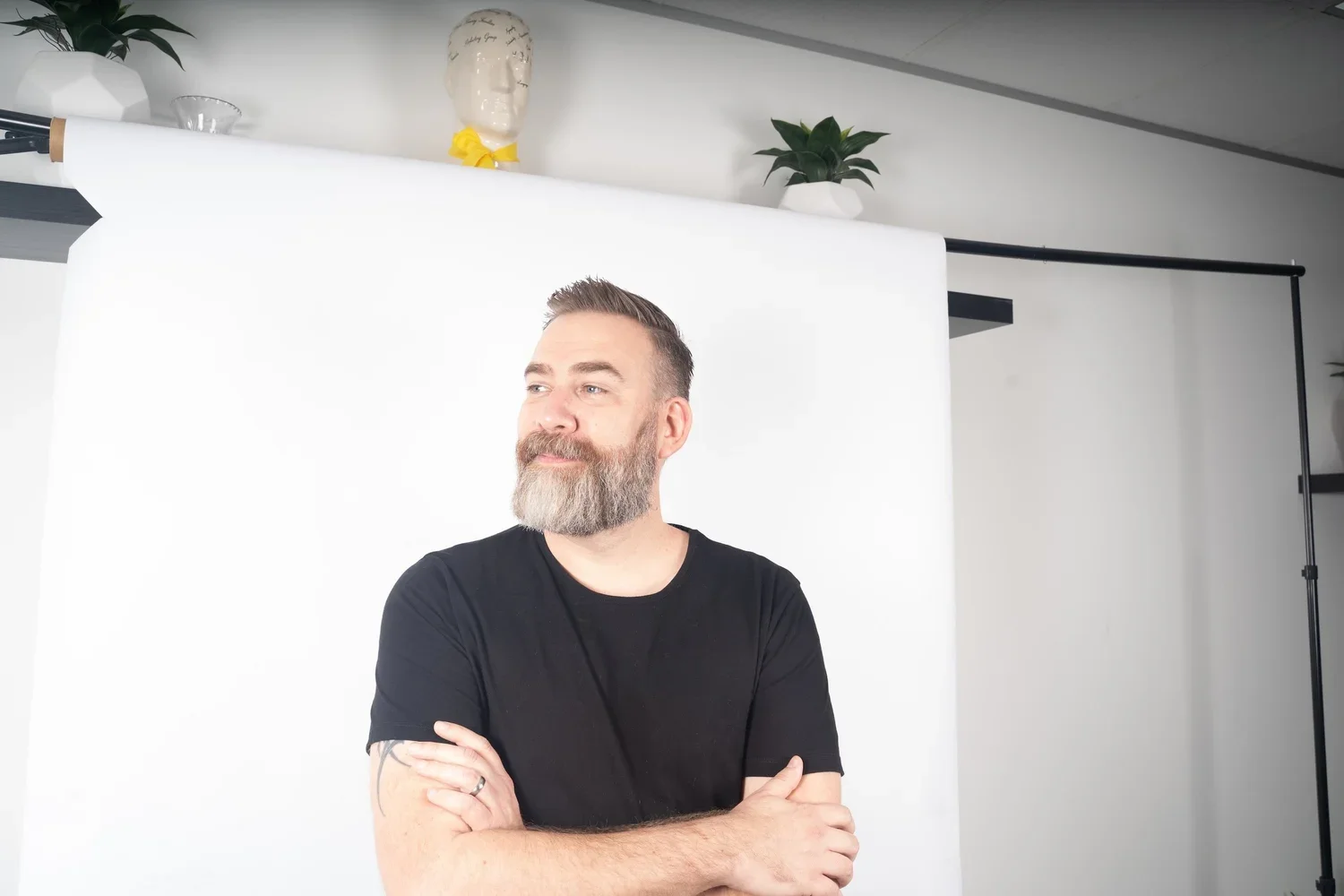
Lee BooyFormer CTO, The Missing Link. Former COO and co-owner, The ID Crowd.
antics is a part-time COO and CTO for owner-led businesses in Sydney that are scaling. You get someone who's done both jobs, in your business a day or two a month, or a day a week when a lot has to change. Packs start at $1,000 a month, ex GST, month to month.

the black hole
Grow without it all running through you.
One milestone at a time.
As an owner-led business grows, it needs systems, reporting and a second senior head, often before it can comfortably pay for them. So you fill the gap yourself, and the big calls get made alone at 9pm.
Greg Crabtree calls the classic version the black hole, between $1m and $5m in revenue, and his 2025 update puts it nearer $3m to $10m. Either way, it's where a lot of good businesses get stuck. The way through is the same at any size: one milestone at a time. The next target, the next hire, the next fix.
The black hole: Greg Crabtree, Simple Numbers, Straight Talk, Big Profits!
what I work on
Operations and tech,
one person.
Seven areas, one person across all of them. Nothing falls into the gap between an operations hire and a tech hire.
Process
From sale to invoice, without the double handling.
Team structure and hiring
Who owns what, and the next hire before it's urgent.
The operating plan
The next 12 months mapped out, built on the numbers your accountant or CFO keeps.
Change that sticks
New habits your team keeps, not just tries.
IT and systems
Fewer tools that talk to each other. A fair IT contract.
Cyber security
Backups, access, MFA and patching, against the Essential Eight.
AI adoption
A few jobs handed to AI, with a person checking.
Every change gets an owner, a date and a check a month later, so it sticks.
the way through
Get steady, build,
then hand it over.
The usual path I plan for: start at two days a month, settle at one, step down to the rhythm, then stop. Success is the month you don't need me.
01 · First 90 days
Get steady
Your 12-month plan (the compass) drafted, the monthly rhythm running, security and IT bills checked, first fixes.
Usually two days a month02 · Months 4 to 12
Build
Systems joined up, roles set, the next hire made, a few AI jobs owned by your team.
One or two days a month03 · When your team can run it
Hand over
Your team runs the monthly meeting and keeps the plan current. Need an ops or tech lead? I help hire them.
The rhythm, then stopYou're ready to run it yourselves when:
- 1The monthly numbers get done without you chasing them, and someone in the team can explain them.
- 2You know your next two hires and the revenue that triggers each one.
- 3Sales, delivery, money and systems each have a named owner, and it isn't always you.
- 4Your systems are written down, backed up and locked down, and a new starter can find what they need.
- 5A few jobs a week run themselves, AI included, with a person checking the output.
- 6Your team runs the monthly meeting, and you're not the answer to every question.
- 7The big calls stop getting made alone at 9pm.
When most of that is true, I step down to the monthly rhythm. When all of it is, we shake hands and stop. You keep everything we built.
the first 90 days
The first 90 days.
Your side: about 90 minutes a month, plus doing the things we agreed.
Week 1
First session
The read-out from two days under the hood. Or, if you start straight on a pack, the planning session.
Weeks 2 to 4
The plan drafted
Security basics checked against the government's Essential Eight. IT and software bills reviewed.
Month 2
First fixes
The first fixes done, and the rhythm running: the report, the monthly meeting, the actions chased.
Month 3
The 90-day review
What moved, what didn't. We settle the pack for the next stretch.
packs and prices
Four packs. Month to month.
Packs from $1,000 a month, ex GST.See the packs and prices
- Or start with two days under the hood, $4,000 fixed, ex GST: a day in the business, a day on the numbers, a one-page read-out.
- Or with an IT and software bill check, $2,000 fixed, ex GST: your IT contract, licences and subscriptions, keep, cut or renegotiate.
done before
I've done both jobs. Here's what changed.
Before antics · The ID Crowd, 2019-2022
Invoiced in one week instead of six.
COO and co-owner of a digital learning business in three cities, with 16 people. I rebuilt delivery into small teams, opened the books to everyone monthly, and flagged work the day it was ready to bill.
1 weekto invoice, from six
3-4 monthsrunway, from 3-4 weeks
50%growth a year
Growth doesn't fix cash. Getting paid faster does.
Before antics · The Missing Link, 2017-2019
Customer satisfaction from under 50% to 98%.
First CTO, leading 60 engineers, architects and project managers. I rebuilt managed services into small teams with live dashboards for everyone, and it went back to double-digit growth.
98%customer satisfaction, from under 50%
86%staff satisfaction, from 60%
$120mIT services business
Unhappy customers are usually a process and visibility problem first.
Before antics: results from Lee's employed and owner roles. These businesses aren't antics clients. Roles confirmed by techpartner.news (2017) and Deloitte (2022); figures from Lee's records.
how it compares
The other ways to fill the gap.
| Option | What it costs | What you get | Watch out for |
|---|---|---|---|
| A full-time COO or CTO | $188,590 to $225,000+ base, per role, plus super and bonus | Someone in the building every day, on one side of the business | A senior salary before the revenue is there |
| A consultancy | Project fees | A diagnostic and a deck, then a handover. | Often ends at the recommendations |
| Another fractional COO | A monthly retainer, often after a paid diagnostic | Operations help, usually without the tech side | Check what each month includes, and how you get out |
| Doing it yourself | Your nights and weekends | Full control of every decision | Big calls made alone at 9pm |
| /antics | From $1,000 a month, ex GST, month to month | Tech and operations from one person, usually a day or two a month | Part-time. On site when it's useful, not in your Slack all day. |
Full-time base: CTO from Robert Walters 2026 (low end), COO from Indeed.
selling one day
Thinking of selling one day?
A business that runs without you is worth more, whether you sell it or keep it. I negotiated the deal that took The ID Crowd team into Deloitte and ran the due diligence, and I was at amaysim through its ASX listing. If a sale is on the cards in the next few years, we plan the packs around what a buyer will ask.
Good fit
- Owner-led and growing, and you're still the one holding it together.
- You've never had a CTO or a COO, and it's starting to show.
- You're the only real salesperson, and the admin keeps you from selling.
- Big enough to need senior help, not yet ready to hire it full time.
- Run on Traction? I've worked that way for years, and I cover the tech too.
Probably not for you
- You need IT support or a helpdesk.
- You're a software company that needs an engineering leader.
- You want someone in the building five days a week.
- You want AI to replace your team.
questions
Questions, answered.
What does a fractional COO cost?
From $1,000 a month, ex GST, depending on the pack. The usual path I plan for is two days a month ($5,000) for the first 90 days, one or two days while we build, then the rhythm ($1,000), then stop. On that path, year one comes to about $42,000 to $60,000, ex GST. Extra days ($2,000) and small jobs ($250 an hour) are agreed before they start.
We already have an accountant or a virtual CFO.
Good. They own the books, the tax and the forecast. I build the operating plan on their numbers: who to hire and when, roles, systems and the fixes. They're welcome in the monthly meeting.
Is it just Lee?
Yes, I'm your person. Nic leads team training. For builds I bring in a developer, quoted first.
Will you be on site?
On site when it's useful. Each pack says how much: the rhythm is remote, two days a month includes at least one on site, and a day a week is on site the same day every week. On site means Sydney metro.
What does fractional mean?
Fractional means part-time: a COO who's done the job, working in a few businesses a day or two a month instead of full-time in one. With antics, the tech side comes with it.
Why would someone who was CTO of a $120m business work with a business my size?
Because the growing years are where senior help changes the most. The ID Crowd was 16 people when I was COO and co-owner. The bigger roles showed me what good looks like; the job here is the parts of it that fit a business your size.
What if you're busy?
I take on a small number of businesses at a time, and your days are booked ahead. Questions between meetings usually get an answer within a business day.
When do we stop?
When your team can run it, not when you hit a number. The usual path I plan for is two days a month, then one, then the rhythm, then stop. No exit fees, and you keep everything we built.
Can I dial it up or down?
Yes. Move up a pack, or add days for a busy stretch, with a week's notice. Move down or stop with 30 days' notice. Unused days roll over.
How does the bill work?
One invoice a month for your pack, plus GST, with a one-page statement of the days used. Extra days and small jobs only start after your yes in writing, and each is its own line.
get started
Where's the business stuck?
- 1A 30-minute chat. No prep, no pitch deck.
- 2A one-page plan with a pack and a price. Or two days under the hood first, if you'd rather see it properly before committing.
- 3Start month to month.
Not sure you're the right size or stage? That's what the chat is for.